
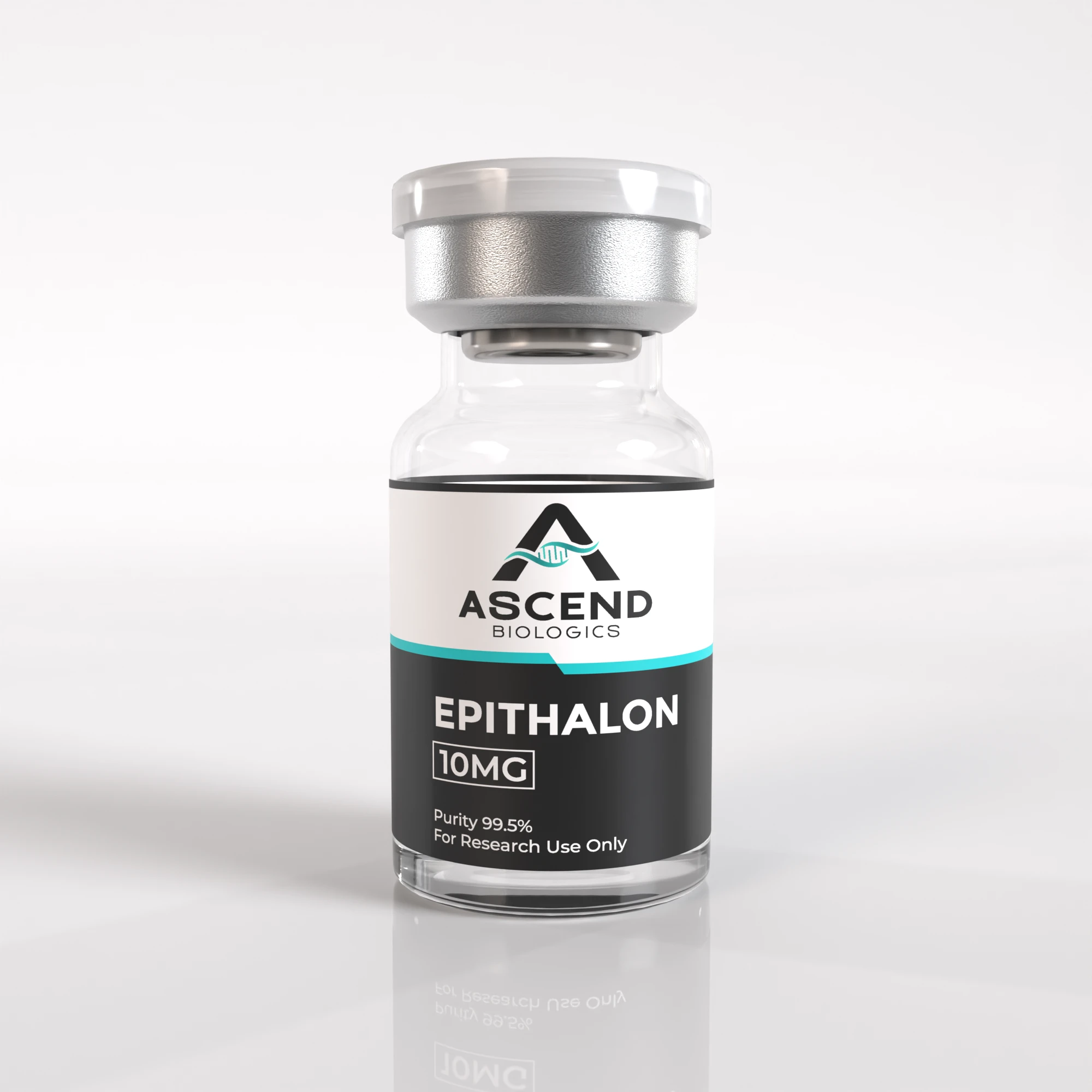

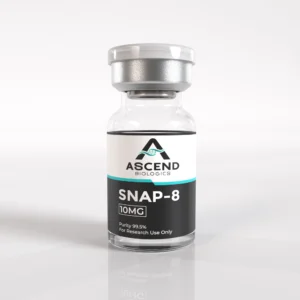
Epithalon (10MG) – A Research-Use-Only Peptide
Epithalon, also known as Thymosin beta-4, is a naturally occurring peptide derived from human thymus tissue. In the context of scientific inquiry, Epithalon has been explored for its potential biological effects under controlled research conditions. This product is intended solely for academic, laboratory, or institutional use in accordance with regulatory guidelines for research-use-only substances.
Research Context
Epithalon has garnered attention in preclinical studies due to its involvement in cellular repair mechanisms, particularly in wound healing, tissue regeneration, and extracellular matrix remodeling. The peptide’s structure shares similarities with other biologically active compounds, though its specific mechanisms of action remain an area of ongoing investigation. Researchers utilize Epithalon in experimental settings to study its role in immune modulation, inflammation, and potential anti-aging effects at the cellular level.
Research Overview
Epithalon is derived from human thymic tissue and has been isolated for its potential to influence processes such as angiogenesis, fibrosis suppression, and antioxidant activity. Initial studies suggest that Epithalon may promote cellular recovery by modulating signaling pathways associated with tissue repair. Due to its limited human therapeutic applications, this peptide is restricted to research environments where its biochemical properties can be systematically analyzed.
Key Research Focus Areas
- Cellular Regeneration and Wound Healing: Preclinical investigations have examined Epithalon’s role in enhancing tissue repair, including skin, muscle, and vascular structures, through mechanisms involving extracellular matrix remodeling.
- Anti-Inflammatory and Antioxidant Effects: Research has explored Epithalon’s potential modulation of inflammatory pathways and its capacity to mitigate oxidative stress, which may influence aging-related cellular dysfunction.
- Immunomodulation: Studies have assessed Epithalon’s interaction with immune cells, including its possible effects on cytokine production and immune homeostasis under controlled experimental conditions.
- Cardiovascular and Metabolic Research: Preclinical models have investigated Epithalon’s influence on endothelial function, vascular repair, and metabolic health, though human relevance remains undefined in current scientific literature.
- Neuroprotective Potential: Emerging research has considered Epithalon’s potential neuroprotective properties in preclinical settings, including its effects on synaptic plasticity and brain-derived neurotrophic factor (BDNF) signaling.
Important Safety and Compliance Notice
This peptide is intended for use solely in research settings and is not approved for human or animal consumption. Handling must comply with institutional biosafety protocols, and proper analytical validation is required for any experimental application. Due to its potential biological activity, Epithalon should be stored and administered under controlled conditions to mitigate unintended exposure risks. Always consult with a qualified scientific advisor or regulatory authority prior to use.
For research use only. Not for human or animal consumption.
Reviews
There are no reviews yet.